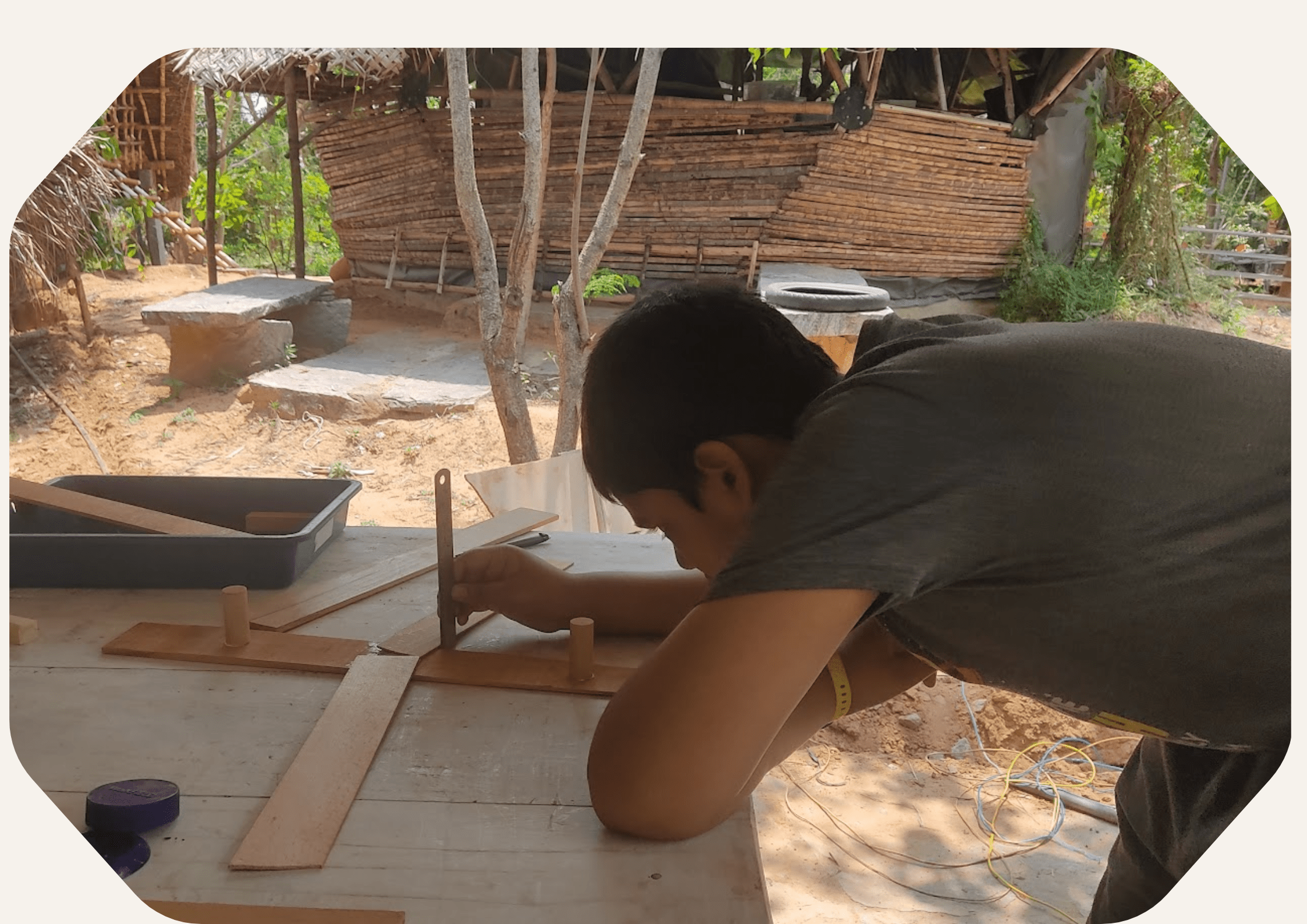
One of the most common questions families ask when considering homeschooling or unschooling is:
“How do we create a learning environment at home?”
It sounds like a responsible starting point. After all, if children are not going to school, shouldn’t we recreate a space that supports learning?
But what if this question is pointing us in the wrong direction altogether?
Let’s gently turn the lens and look through a different window.
Rethinking the Idea of a “Learning Environment”
When we think of a learning environment, we often imagine:
- Structured spaces
- Educational materials
- Carefully planned activities
- A home that looks a bit like a classroom
This mindset comes from traditional schooling, where learning is designed, delivered, and controlled.
But homeschooling and unschooling invite something radically different.
What if learning doesn’t need to be created… because it already exists within the child?
The Powerful Shift: The Child Is the Learning Environment
Instead of asking:
👉 “How do I create a learning environment for my child?”
Try asking:
👉 “What if my child already is a learning environment?”
This shift may feel subtle, but it changes everything.
Children are naturally:
- Curious
- Observant
- Explorative
- Eager to understand the world
Curiosity is not something we install.
It’s already alive and buzzing within them, like a tiny engine that never switches off 🔍
How Children Naturally Create Their Own Learning
When we step back and observe, we begin to see that children learn effortlessly:
1. They Learn by Watching
Children absorb the world simply by being around others. Conversations, actions, routines… everything becomes learning.
2. They Learn by Doing
Whether it’s building something, asking questions, or experimenting, learning happens through action.
3. They Learn Through Relationships
Being with others, interacting, observing emotions and responses… this is powerful, real-world learning.
4. They Learn What They Need, When They Need It
Learning is not always linear or scheduled. It unfolds naturally based on interest, readiness, and context.
The Hidden Pressure Parents Carry
When parents believe it’s their responsibility to create a learning environment, it often leads to:
- Overplanning
- Self-doubt (“Am I doing enough?”)
- Comparison with schools or other families
- Pressure to constantly “facilitate” learning
This can quietly turn a beautiful homeschooling journey into a stressful one.
Letting Go: You Don’t Have to Build Everything
Here’s a liberating thought:
You don’t have to manufacture learning.
Your child is already:
- Asking questions
- Making connections
- Exploring their surroundings
- Creating meaning from everyday life
In many ways, a child is a complete ecosystem of learning 🌿
Dynamic, adaptive, and constantly evolving.
What Changes When You Trust the Child?
When you shift from “I must create” to “My child is already creating”:
✨ You Release Pressure
You’re no longer responsible for designing every moment.
✨ You Become an Observer, Not a Controller
You start noticing instead of directing.
✨ Learning Feels Natural Again
No forcing. No rigid structures. Just organic exploration.
✨ Your Child Takes Ownership
Children step into their natural role as learners.
Because here’s the truth:
Learning is their instinct. It’s their primary work.
A Gentle Invitation to Parents
If you’re on the homeschooling or unschooling path, consider questioning this deeply rooted belief:
👉 “It is my responsibility to create a learning environment.”
And experiment with this instead:
👉 “My child is already creating their own learning environment.”
Notice what shifts:
- In your mindset
- In your child’s behavior
- In the energy at home
Final Thoughts: Trust the Ecosystem
A child is not an empty space waiting to be filled.
They are a living, breathing ecosystem of curiosity, exploration, and growth.
You don’t need to construct the forest. 🌳
You simply need to trust that the forest is already growing.
And when you do…
learning doesn’t need to be forced.
It simply unfolds.